
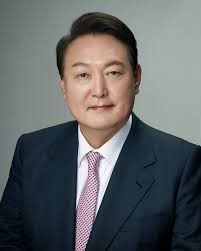
 I wrote a short essay for Foreign Affairs this month on South Korea’s ongoing political turmoil. My co-author is Suh Jae-Kwon; we are both in the political science department here at Pusan National University. Here is the essay page at FA. Unfortunately it is pay-walled, so you can find our text below the jump instead.
My basic take is that President Yoon Seok-Yeol wildly over-reacted to divided government, which is when the executive branch is controlled by one party and the legislative branch is controlled by another. Divided government is very common in presidential systems. And it constantly tempts presidents to rule by decree, executive order, fiat, and so on. In this, I am pretty clearly following Juan Linz who famously noted these problems in presidentialism.
A few other variables specific to South Korea make Linz’ basic framework even worse here:
1. Yoon is a political neophyte who didn’t understand that divided government is a normal democratic condition, not a constitutional emergency. A more seasoned politician who had risen through more typical processes – running in lots of other races (losing some, winning some), grooming party relationships – would have known divided government is just how democracy is. If Yoon had been an MP or a mayor for a decade first, he would have seen that being harassed by the opposition is normal and doesn’t remotely justify martial law. In fact, why didn’t his advisors tell him this?
2. SK’s super-presidency makes divided government problems even worse. SK pretty clearly has an ‘imperial presidency.’ This routinely makes the opposition hysterical. They fear getting steamrolled, which is what happened to the conservative opposition under the previous, progressive President Moon Jae-In. (Moon just ignored the legislature and ran a controversial foreign policy with a couple of his friends out of his office.) So the party out of power engages in all kinds of wild opposition behavior. Under Moon, conservatives claimed he was a NK asset; under Yoon, progressives derailed normal governance with endless, excessive investigations of everything. All this then tempts the president to just ignore the legislature and do whatever he wants – which is what Moon did. Yoon just went a step further.
3. SK’s domestic polarization is really intense, making the zero-sum contest for the over-powered presidency even more zero-sum and bitter. Typically this gets blamed on the right, and it is true that the far-right in SK is filled with radical Protestant fundamentalists and crazy conspiracy theories (on YouTube especially). The hard right here is convinced that the left is secretly aligned with North Korea, and that it stole the 2024 parliamentary election. Pro-Yoon protestors even wave around ‘stop the steal’ signs. So it sure looks like the SK far-right is turning into the type of far-right party we often see in the West. Indeed, I genuinely wonder if Yoon got his semi-coup idea from watching other elected authoritarians – Trump, Modi, Netanyahu, Erdogan – undermine their democracies and thinking he could do the same here. (This radicalization of the SK right here is a great research topic, btw.)
But the SK left is also pretty unhinged, which doesn’t get nearly the attention in English-language media and scholarship which it should. The left’s guerilla campaign against Yoon’s government last year was an appallingly malicious effort to halt basic governance in SK with the hope that voters would blame Yoon for the ensuing gridlock. Similarly, its investigations of Yoon’s wife were excessive, salacious, and grossly inappropriate. The left was openly gleeful about how much that hurt Yoon personally. None of this justifies Yoon’s semi-coup – Yoon should be impeached – but some Yoon’s grievance in his martial law declaration were accurate.
More broadly, the SK left regularly manipulates painful episodes in Korean political history for partisan gain. It struggles to admit basic facts about NK – that its human rights record is appalling, that it is governed like the mafia, that it would almost certainly use nuclear weapons against SK – and about Japan – that it is a genuine liberal democracy, that it is morally preferably to NK and China, that it has apologized many times for its imperialism. The left’s party leader has blamed Ukraine for the war and said SK should not participate in a conflict over Taiwan. Its original impeachment indictment of Yoon even included this foreign policy moral equivalence in its text. This is exactly the kind of amoral transactionalism we associate with Trump.
Anyway, the left will win the post-impeachment election, as it should. At least it is committed to constitutionalism. The full FA essay follows the jump:
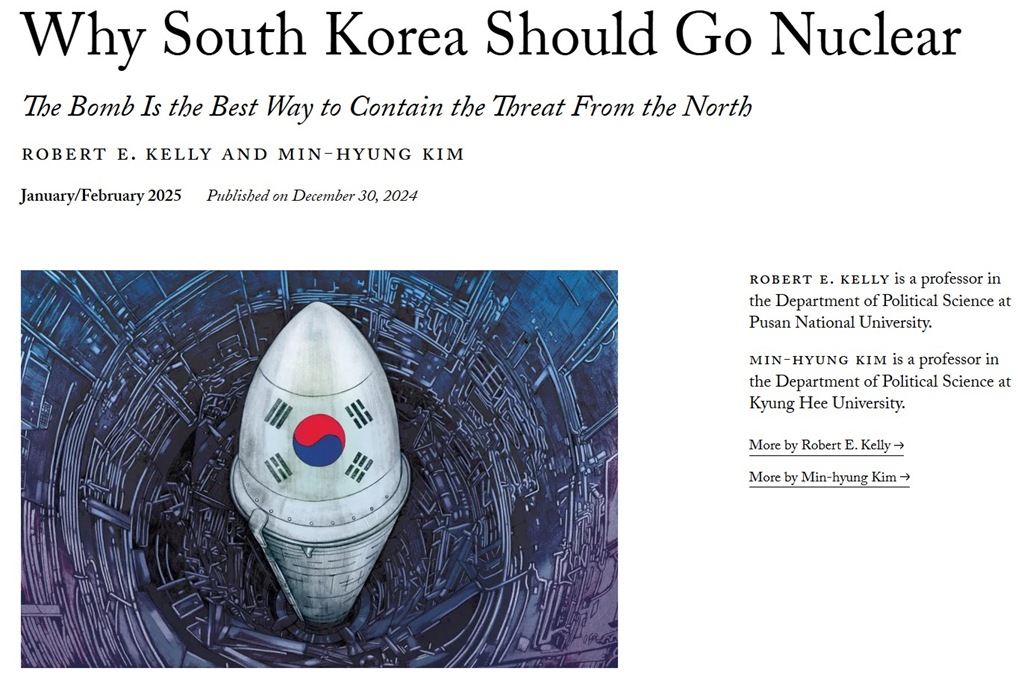
 This re-posts an article I wrote for the Bulletin of Atomic Scientists recently on N Korea’s likely first-use of nuclear weapons in any serious Korean contingency.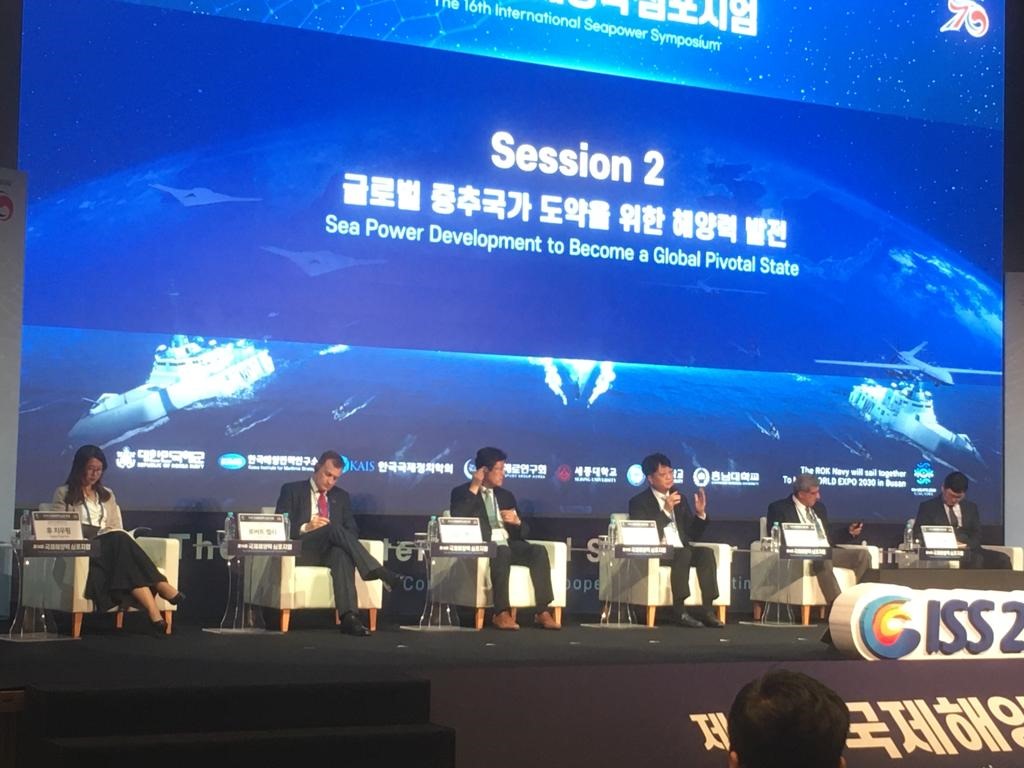

 There has a been a pretty vibrant debate in South Korea over building an indigenous aircraft carrier. That debate has been especially resonant where I live – Busan – because it would probably be built here.
 This is what a peaceful transition of power looks like, American Republicans! Moon and Yoon follow the rules. That’s good. Learn from that.
 South Korea got a lot of (deserved) criticism for its erratic, corporate-profits-uber-alles approach to the Ukraine War. It has since come around, but only after the US twisted its arm with export control threats. And its MPs mostly skipped Zelensky’s speech to the SK parliament. All in all it was a pretty poor showing.
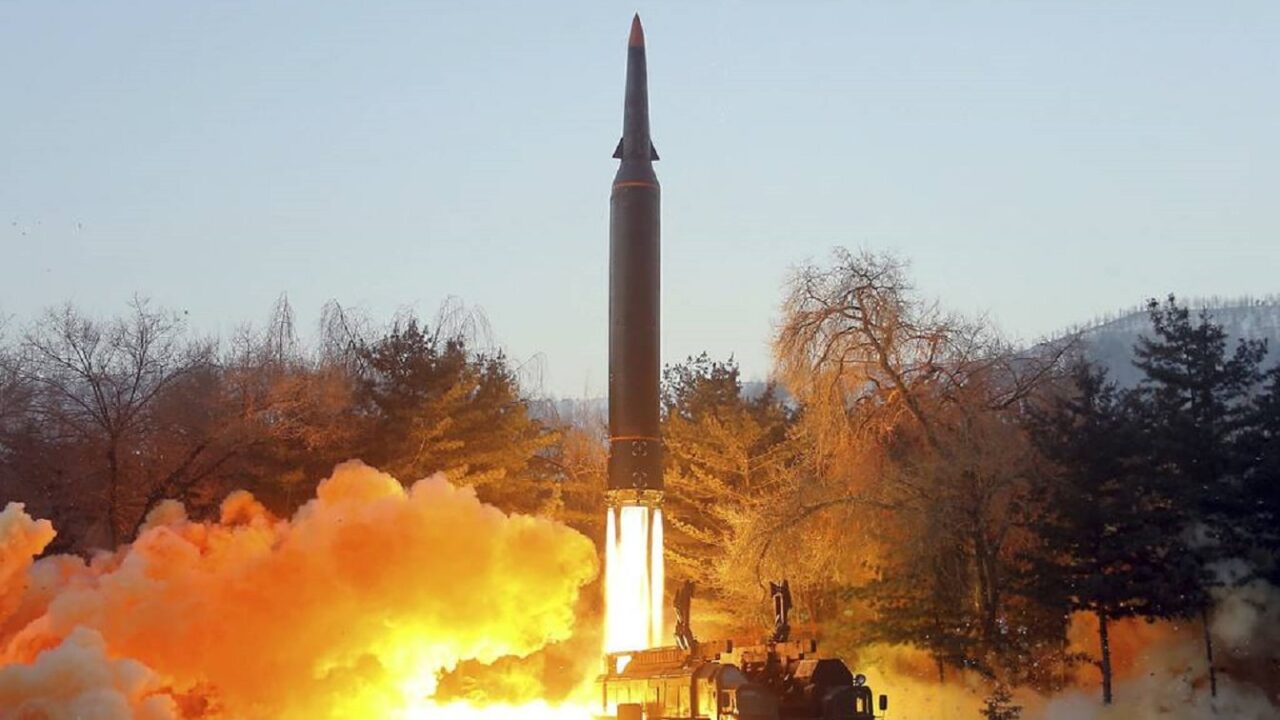 This was accepted and then withdrawn by a SK newspaper as too controversial even though the SK president himself suggested this. I don’t get that…
 This is a local re-post of a
  Robert E Kelly