
 South Korea got a lot of (deserved) criticism for its erratic, corporate-profits-uber-alles approach to the Ukraine War. It has since come around, but only after the US twisted its arm with export control threats. And its MPs mostly skipped Zelensky’s speech to the SK parliament. All in all it was a pretty poor showing.
This is a re-post of a column I wrote a few days ago for the Japan Times. For other commentary in the same vein, try here, here, and here.
Some of this was straight-up mercantilism. The government complained about corporate investments in Russian being put at risk, plus the wider trade relationship. That came off so callous and tone-deaf that South Korean citizens pushed back. But it illustrates a long-established problem in South Korean foreign policy: the country’s largest corporations are far too influential, creating a what’s-good-for-Samsung-is-good-for-Korea mentality which is wrong, plutocratic, and undemocratic.
But the larger issue applies to all democracies trading a lot with autocracies: trade creates leverage, and autocracies are happy to weaponize it. China already did this in the THAAD fight with S Korea a few years back; New Zealand has gotten criticism as a weak link; American businesses like Disney and the NBA have been craven before China. All of us democracies are going to have to start unwinding our economies from nasty dictatorships to avoid betraying our values for corporate profits, and since China is South Korea’s biggest export market, the new Yoon government should start that now.
Here is that Japan Times essay:
The Ukraine war has a been a unique challenge to Asia’s democracies. The war is far away. It involves peoples cultural distinct from this region, and its impacts will be most directly felt in Eastern Europe. Russia’s complaints and motivations mostly concern the West, particularly the post-Cold War European settlement which much reduced Russian power there. Inevitably then, the West’s response has been the most active. It is in the firing line.
But there are Asian ramifications too, which Japan, to its credit, seems to have grasped. Despite long hesitation on the use of sanctions – despite the regular use of sanctions by its American ally – Tokyo appears to have decided that this Russian aggression needs to be punished. The Russian invasion is blatant imperialism. Were Russia to get away with absorbing a smaller neighbor as the world watched, it would send a powerful signal to China that it could do the same to Taiwan. That would be a direct security threat to Japan. And Russian tactics – the purposeful shelling of civilian areas, and the operation of death squads to murder civilians en masse – have been a moral shock. Japan’s decision to support the sanctioning of Russia looks increasingly like the right call.
By contrast, South Korea’s response has a been mixed bag. When the war started, Seoul’s response was hesitant and ambiguous, provoking a wave of international criticism which the government neither seemed to understand, nor know how to respond to. The first response of South Korean President Moon Jae-In’s administration was fear for South Korean exports to Russia. Lee Jae-Myung, the leftist candidate in the recent presidential election at the time, blamed Ukrainian president Volodymyr Zelensky for provoking the invasion, which brought another wave of social media backlash. For days, it was not clear if Seoul would support the sanctions regime. South Korea only came around when the US threatened a trade exemption its exporters need.
Read the rest here.
 Putin can’t conquer Ukraine, but taking Donbas, creating another ‘frozen conflict,’ and ending the war before it all gets so much worse for Russia is a pretty good option.
 I am fairly exhausted that this framework gets brought back to life every few years. Yes, it has an exciting historical sweep, but it is conceptually a mess and empirically doesn’t really work very well.
 The death squad war crimes in Ukraine now mean that Putin himself is the biggest obstacle to a peace deal. He won’t agree to leave power, but with him still office, neither Ukraine nor the West is likely to accept the
  At some point the war in Ukraine will end, and Russia will seek to re-enter diplomacy and the world economy, and shed the heavy sanctions and isolation on it. This will be a major part of whatever the final peace deal emerges. (This is a local re-post of an
  The lesson of the Ukraine war for China in a Taiwan scenario seemed, at first, to be: go for a quick, fait accompli land-grab before the democracies can respond. Instead, the lesson now is: bombard Taiwan into submission first before trying a huge risky landing.
 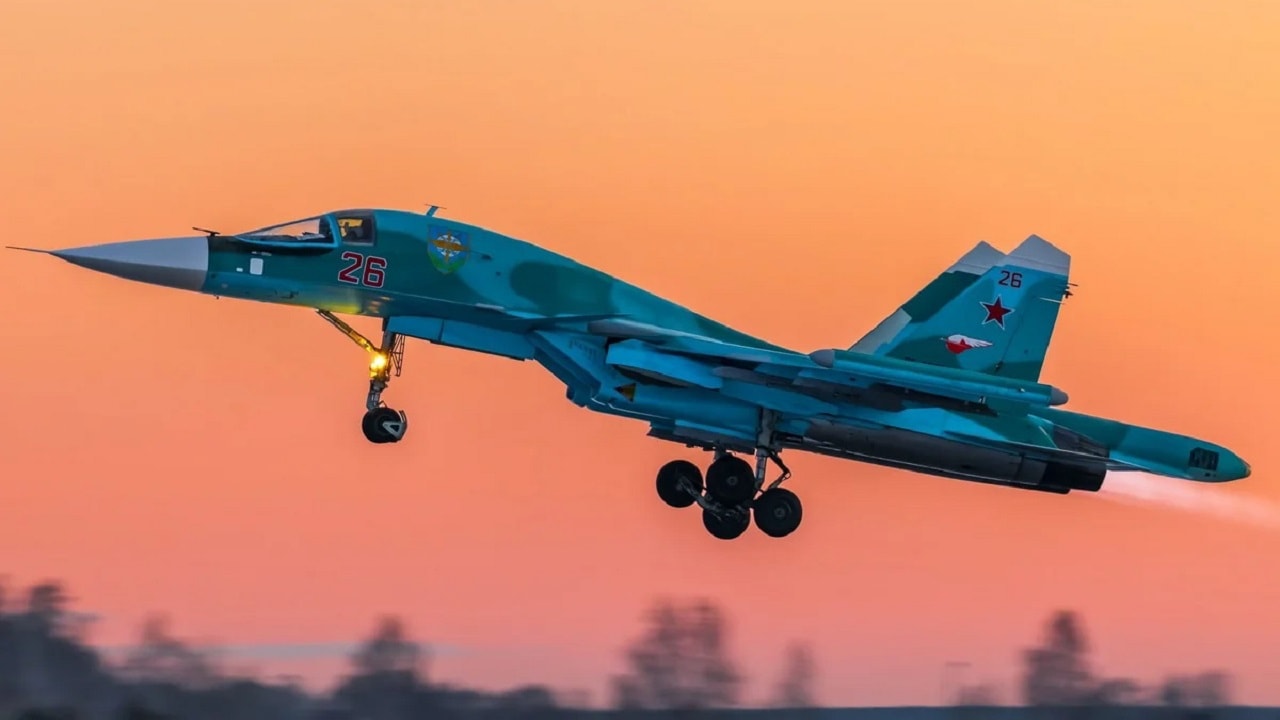 Russia is not going to win unless it escalates. So what do we do if it uses a really horrific weapon?
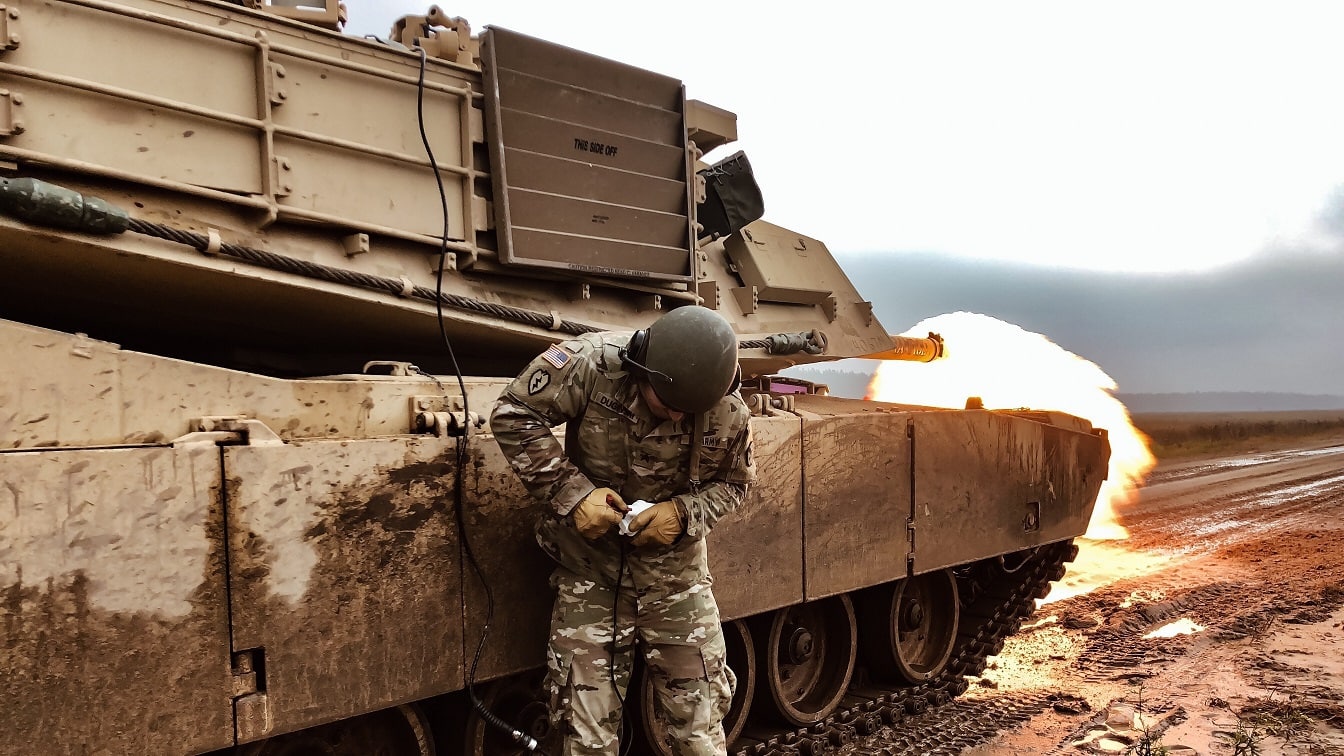 Everyone seems to have a take on Mearsheimer and Ukraine, so here’s mine: Mearsheimer’s offensive realism predicts Russian’s desire to dominate its borderlands, but ALSO a NATO effort thwart that via expansion. So its awkward that he blames NATO, because playing international politics toughly is what his offensive realist theory would predict NATO to do.
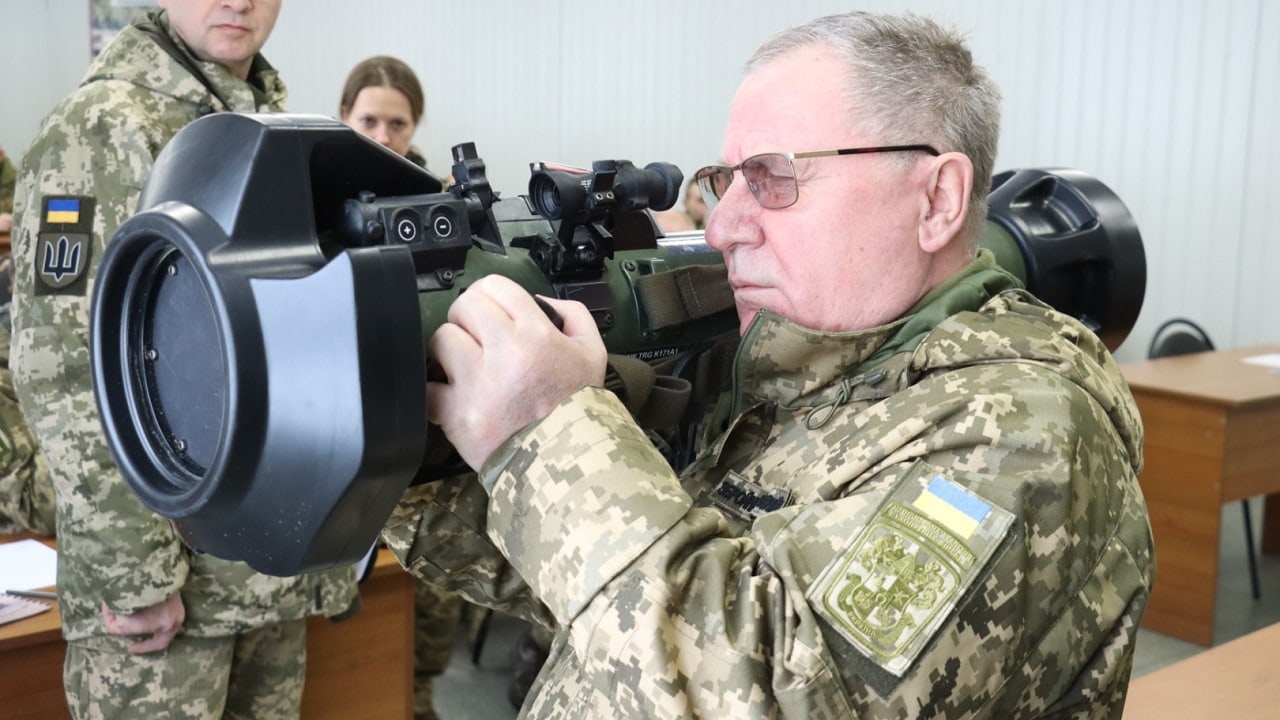 This is a re-post of a column I wrote a few days
 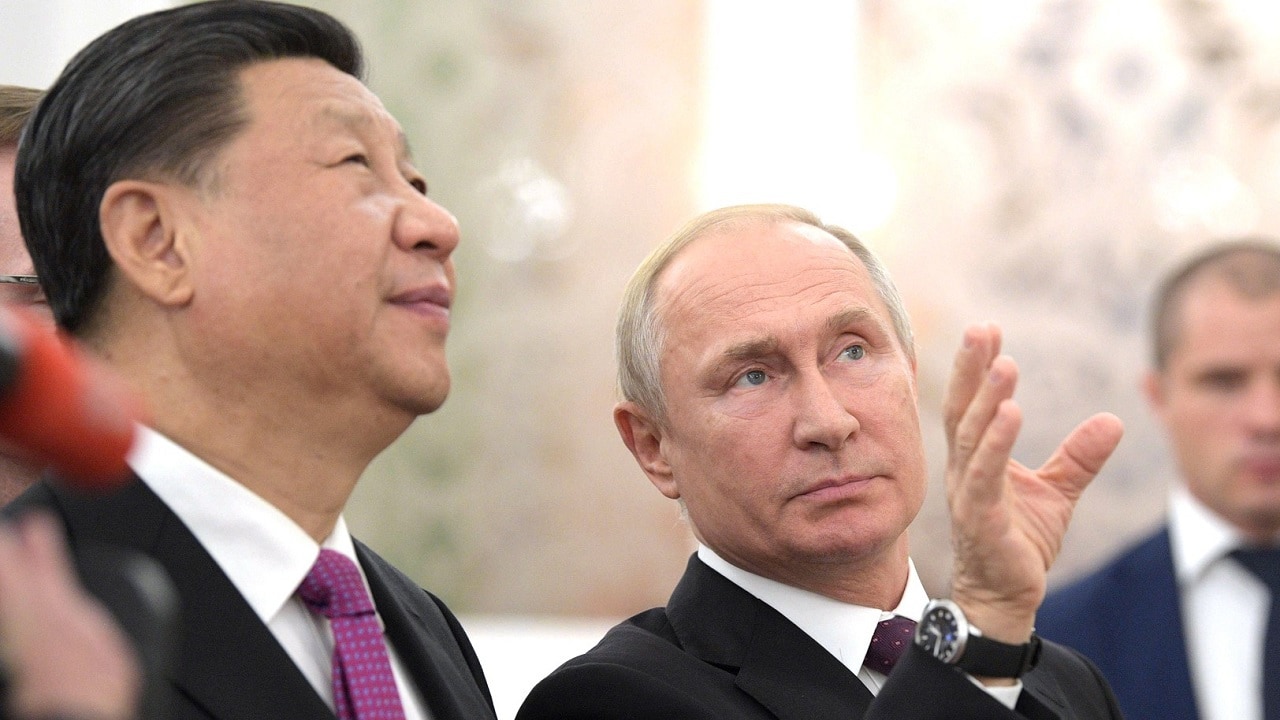 This is a local re-post of a column I wrote
  Robert E Kelly