
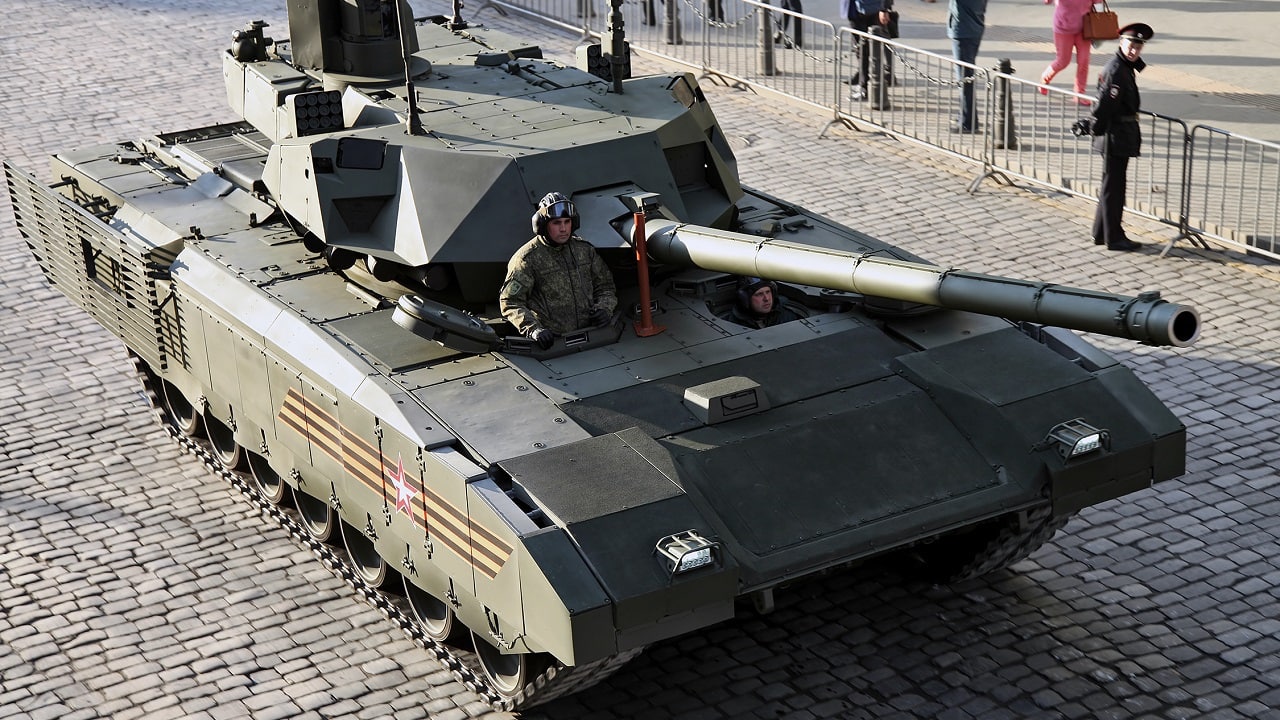
 At some point the war in Ukraine will end, and Russia will seek to re-enter diplomacy and the world economy, and shed the heavy sanctions and isolation on it. This will be a major part of whatever the final peace deal emerges. (This is a local re-post of an essay I wrote at 1945.com.)
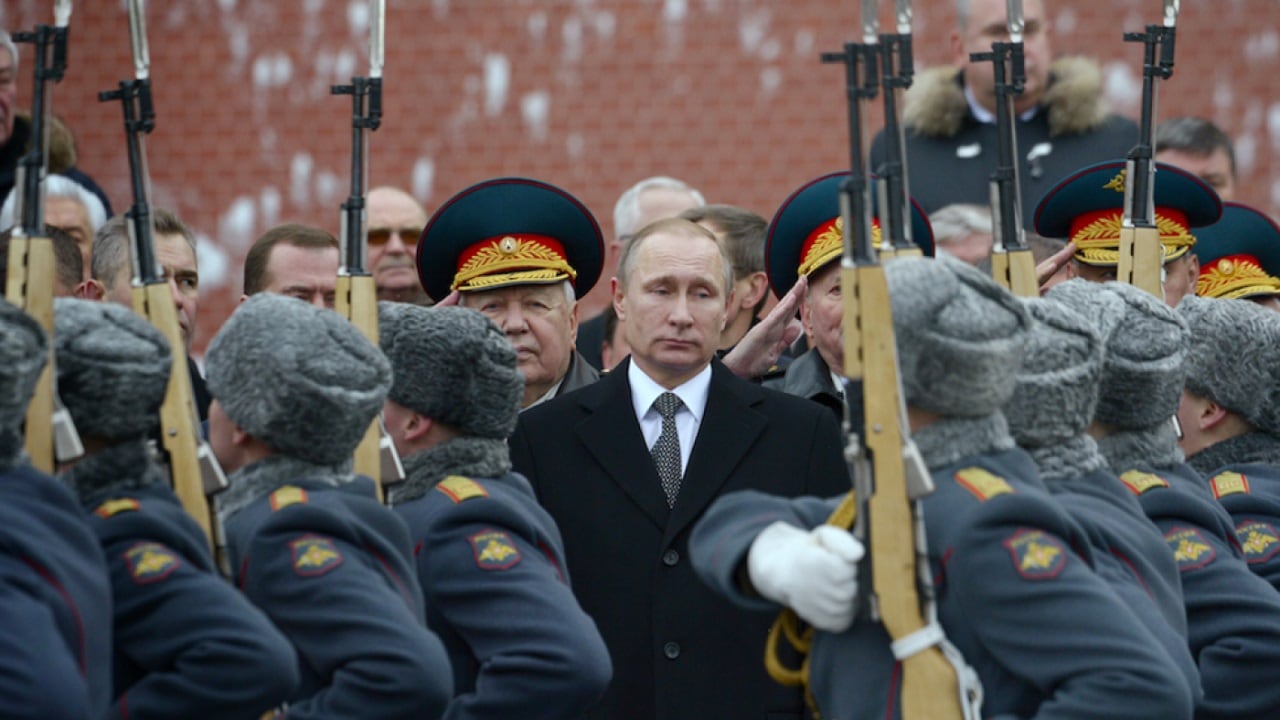
The model of what not to do is, of course, Weimar Germany. France particularly fought the re-normalization of post-WWI Germany. This fired a revanchist far right which eventually destroyed the Weimar Republic. Any final status deal on Ukraine shouldn’t punish Russia so harshly that we drive its domestic politics toward even more radical right voices than Putin’s.
Conversely, this was pretty clearly a war of choice. Russia has to be punished in someway. Also, Russia is now pretty clearly a threat to its neighbors. There is a case against re-normalization – to leave sanctions and diplomatic isolation on belligerent Russia after the war to keep it weak.
This will be a tough balance to find, especially since Putin will likely stay in power which will insure a continuing informal isolation: western leaders will probably never meet Putin personally again; western companies will likely never return with Putin in power.
My own thoughts on the terms a peace deal are here. In short, I think Ukraine should get an indemnity, EU membership, a military, and territorial integrity, while Russia gets Ukraine out of NATO, sanctions rollback, diplomatic re-normalization, Crimea, and Putin in power.
Here is that essay at 1945:
It is now apparent that Russia will not conquer Ukraine. Russian President Vladimir Putin has significantly over-reached. His defense ministry recently scaled back its war aims. The army now claims to only seek to gain the eastern Donbas region of Ukraine. If Putin follows through on this change, it should take pressure off the Ukrainian capital and the Black Sea coastline.
The War is Stalemated, Perhaps even Turning against Russia
There is obviously much cause for skepticism. Putin has limited his goals because Russia is stalemated in the war, perhaps even on the cusp of losing. It is highly unlikely that Putin has changed his beliefs that Ukraine is a fake country that should be controlled by Russia.
Nevertheless, this partial de-escalation is the first step toward resolving the conflict. Now that Putin’s offensive has culminated, he is unlikely to make any major new gains.
Please read the rest here.
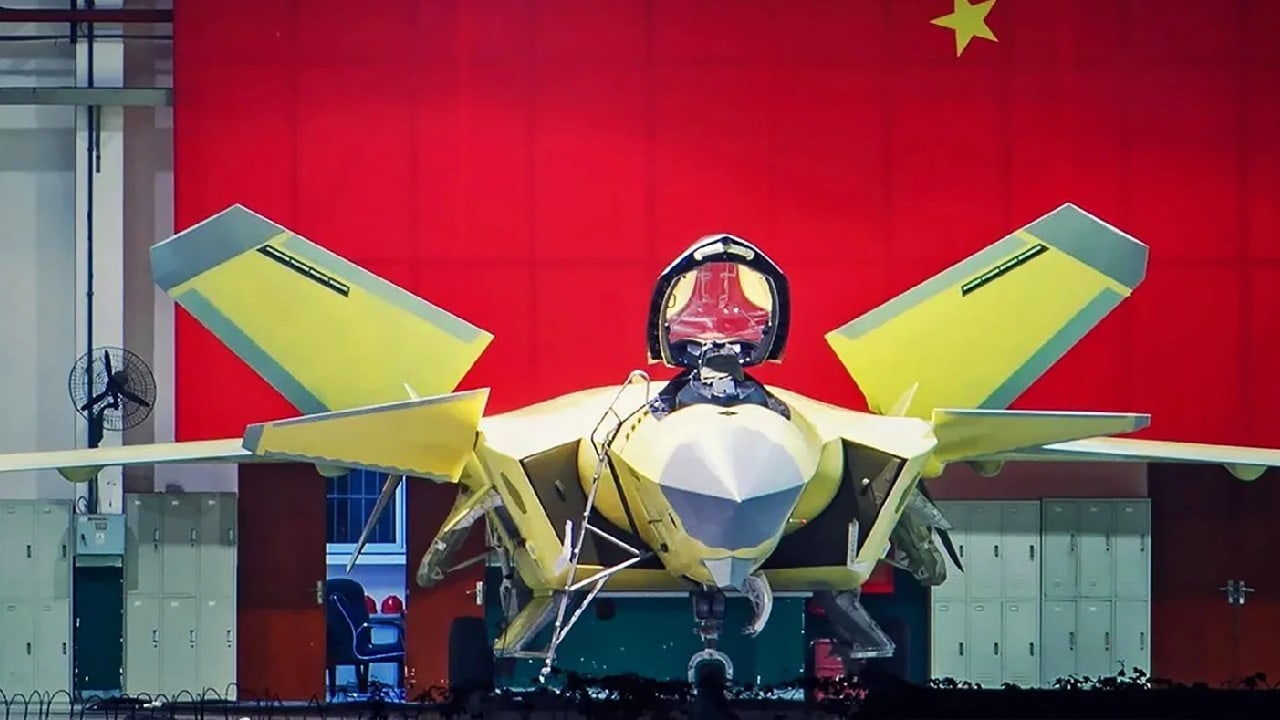 The lesson of the Ukraine war for China in a Taiwan scenario seemed, at first, to be: go for a quick, fait accompli land-grab before the democracies can respond. Instead, the lesson now is: bombard Taiwan into submission first before trying a huge risky landing.
 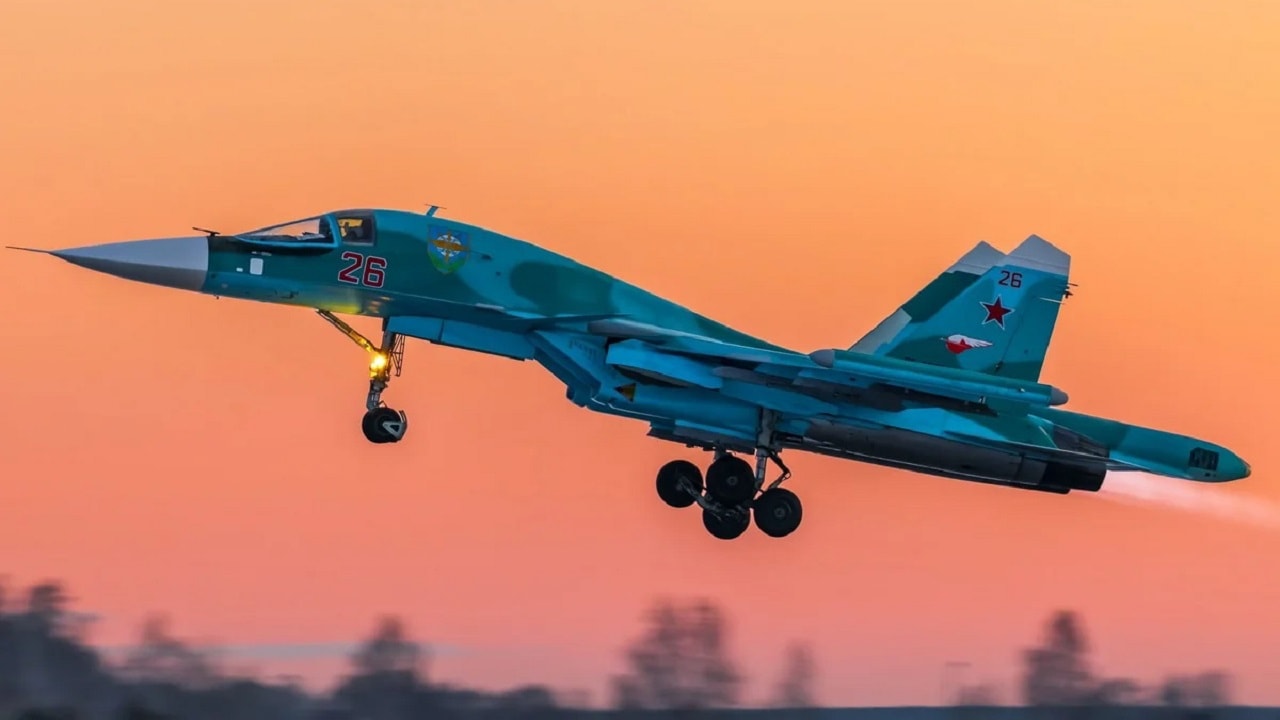 Russia is not going to win unless it escalates. So what do we do if it uses a really horrific weapon?
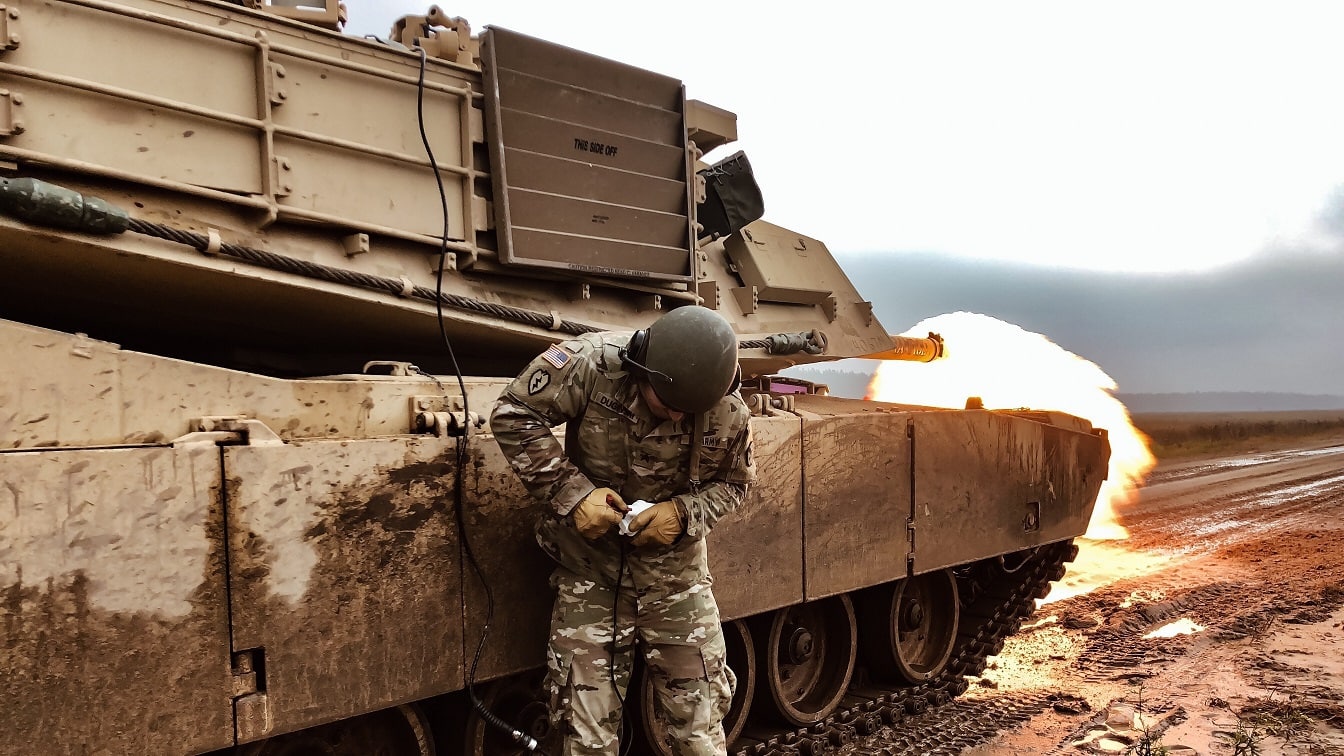 Everyone seems to have a take on Mearsheimer and Ukraine, so here’s mine: Mearsheimer’s offensive realism predicts Russian’s desire to dominate its borderlands, but ALSO a NATO effort thwart that via expansion. So its awkward that he blames NATO, because playing international politics toughly is what his offensive realist theory would predict NATO to do.
 This is a re-post of a column I wrote a few days
  This is a local re-post of a column I wrote
  This is a re-post of something I
  Sorry for not posting for awhile. I have commented heavily on the war on Twitter. Please follow me
  This is a re-post of an essay I recently wrote for
  This is a re-post of an essay I wrote for
  Robert E Kelly