
 There is no obvious Ukrainian target worth the massive geopolitical blowback of a nuclear strike, so I think it is extremely unlikely.
This is a re-post of an op-ed I wrote for 1945.com.
So much of the debate around nukes is lurid apocalypticism, what Cheryl Rofer rightly calls ‘nukeporn.’ Nukes fascinate people, in a creepy strangelovian way. We get carried away with dark fantasies of mass death and Mad Max. It’s all very Freudian Thanatos weirdness. So the good news is that Putin probably won’t use them, because they won’t help him win, because:
1. There’s no military or infrastructural target in Ukraine remotely commensurate with that much force.
2. The global backlash would vastly outweigh whatever middling target was chosen.
3. The Russian army in Ukraine would likely be hit by it too.
4. Ukraine wouldn’t give up anyway.
I suppose Putin might drop a strategic nuke on a city and kill 200,000 people. But the global blowback from that nuclear genocide would be even more extreme. NATO would likely enter the war directly; even China might.
Here is the full essay at 1945:
In the last few weeks, there has been widespread speculation that Russian President Vladimir Putin might use a nuclear weapon in his war against Ukraine. This has generated speculation on how the West might react, including the use of nuclear weapons in response. As Cheryl Rofer notes, much of this commentary has been irresponsible, trading on the lurid, apocalyptic possibilities of nuclear weapons to throw out alarmist scenarios. Her trenchant term for this is ‘nukeporn.’ She is almost certainly right.
Putin’s Nuclear War? Not Likely to Happen
Putin is highly unlikely to use nuclear weapons. He even had to say he is not bluffing, because he has been, with nukes, since the start of the war. And given that Putin supporters in the West have been the ones talking up this contingency, one strongly suspects bad faith. That is, Putin’s Western flunkies are hyping nuclear war to scare the West into ceasing aid to Ukraine, in order to help Russia win the war, which is their real goal.
There are at least four major reasons why Russian nuclear escalation is a huge gamble, with such a low upside probability, that use is unlikely:
Read the rest here.
And if you really want to know what NATO would do if Putin did drop a nuke, here are my thoughts on that. But it’s not gonna happen, so relax.


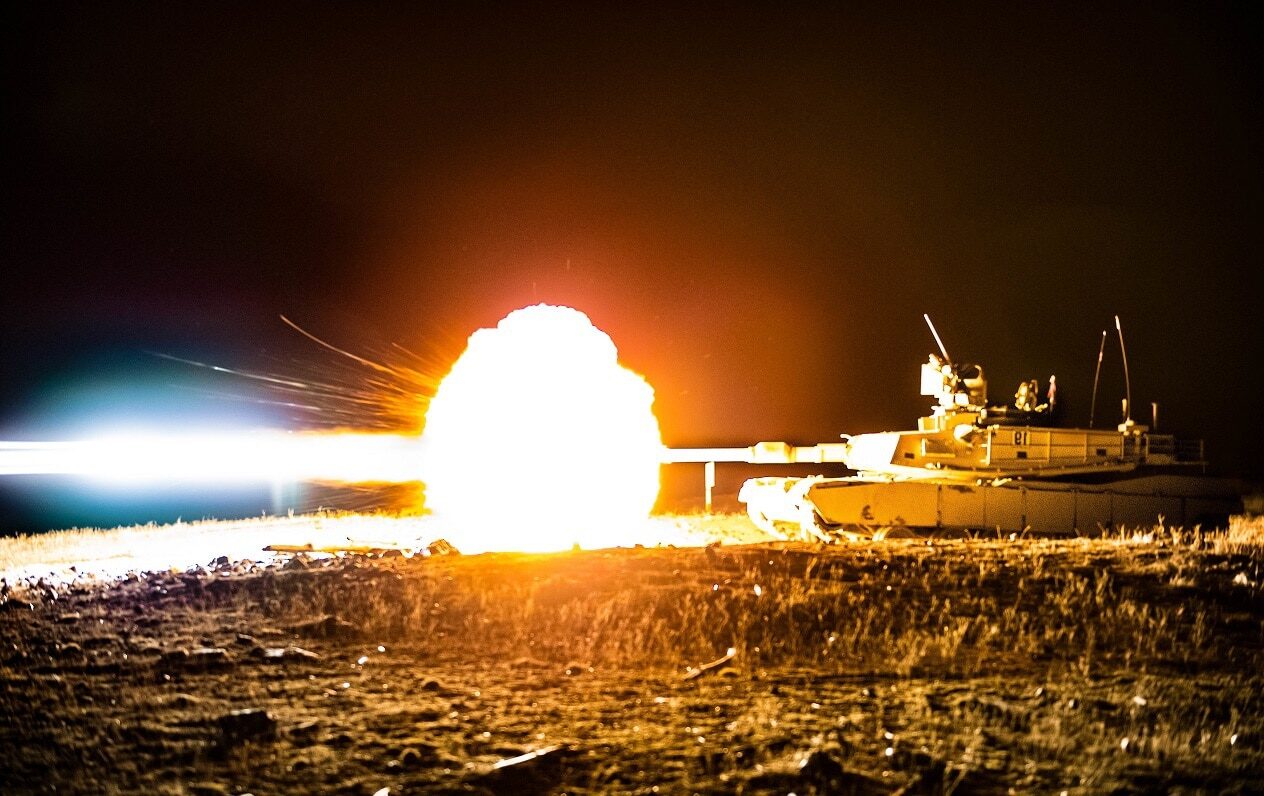 Pursuing a restrained US foreign policy is compatible with helping Ukraine, because restraint still takes threats seriously and Putin is pretty obviously one.
 There has a been a pretty vibrant debate in South Korea over building an indigenous aircraft carrier. That debate has been especially resonant where I live – Busan – because it would probably be built here.
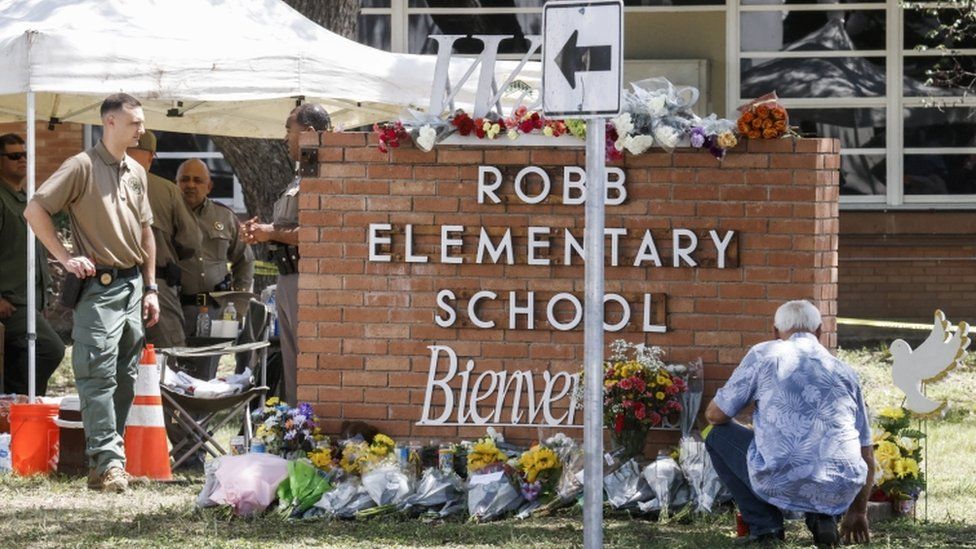 US politics is part of my teaching load here in Korea where I live. Inevitably, part of that is the US gun debate. The US fascination with guns bewilders foreigners – and that is putting it mildly.
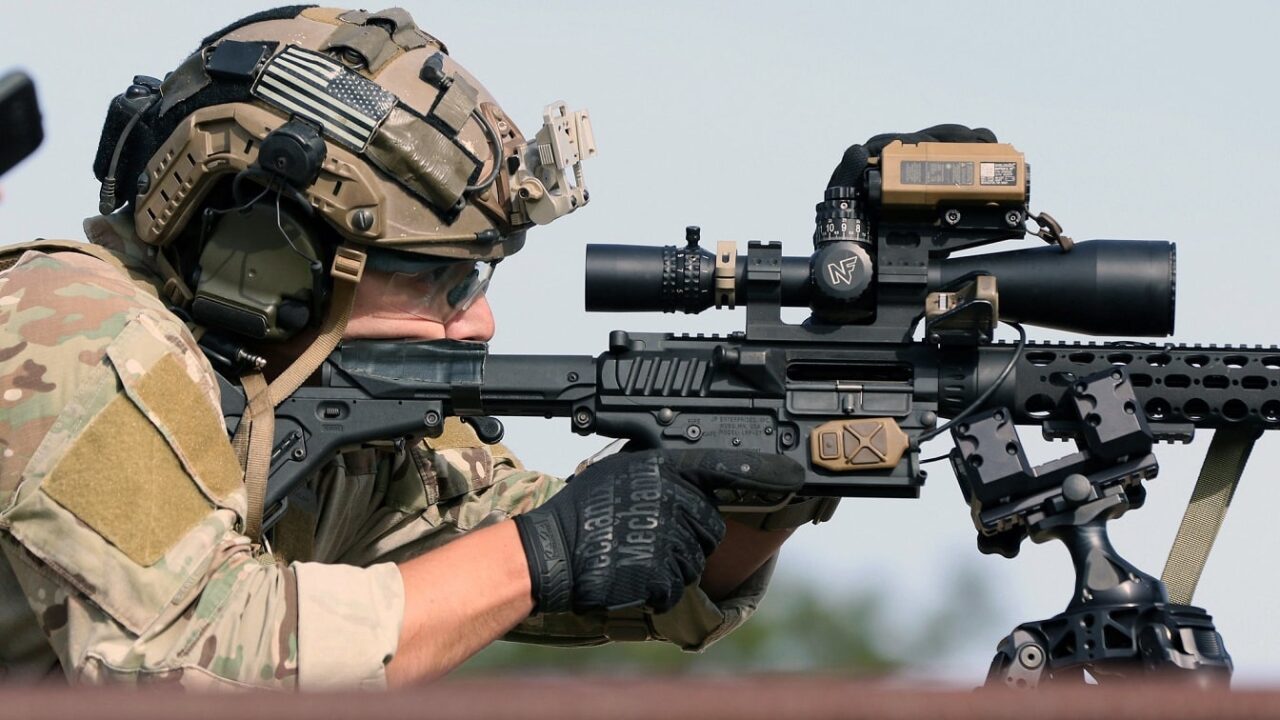 Calling Western support for Ukraine ‘pro-war’ is grossly manipulative and deceptive with its implication that Western elites ‘like’ war. That is obviously not the case. Does Ursula von der Leyen strike anyone as ‘pro-war’? Gimme a break.
 This is what a peaceful transition of power looks like, American Republicans! Moon and Yoon follow the rules. That’s good. Learn from that.
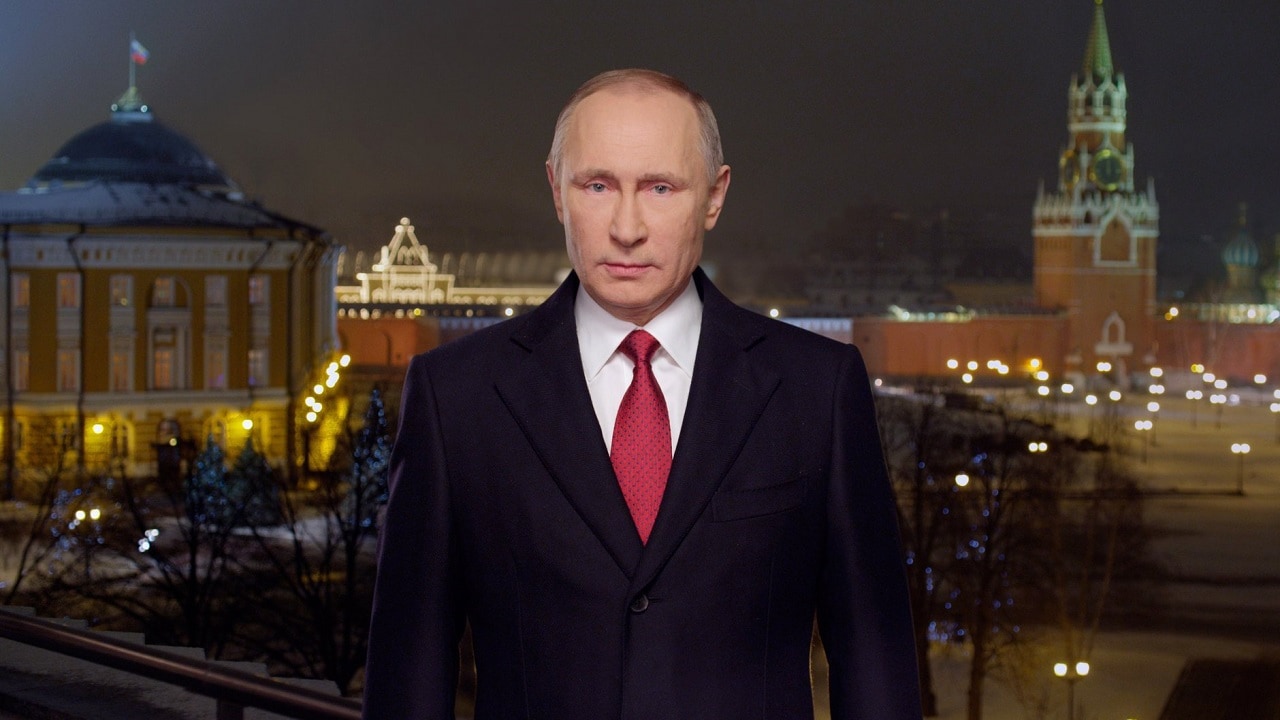 Yeah, it’s a click-bait-y title, but it’s kinda true! Putin’s foolish war is turning Russia into a hated, isolated country with a lot of the same problems as North Korea, just on a larger scale.
 South Korea got a lot of (deserved) criticism for its erratic, corporate-profits-uber-alles approach to the Ukraine War. It has since come around, but only after the US twisted its arm with export control threats. And its MPs mostly skipped Zelensky’s speech to the SK parliament. All in all it was a pretty poor showing.
